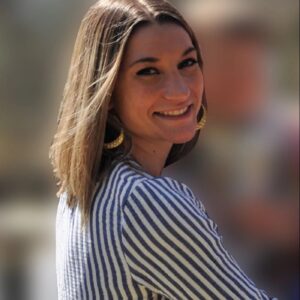
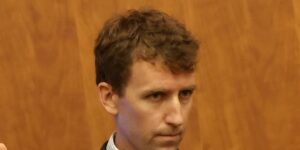
The State Police fingerprint examiner testified that the knife contained some friction-ridge impression, but not enough characteristics or minutiae for a comparison. The knife therefore did not yield an identifiable fingerprint belonging to Lindsay, Patrick or anyone else; the three exercise bands likewise yielded no usable fingerprints for identification. DNA is a separate type of evidence: mixtures on portions of the bands included statistical support for members of the Clancy family, including Lindsay and Patrick, but a mixed DNA result is not a fingerprint and does not by itself establish who handled a band at the relevant time.
Source ↗Commonwealth v. Lindsay Clancy
What is on the record about the deaths of Cora, Dawson and Callan Clancy, the care Lindsay Clancy received beforehand, and what the Commonwealth will do after the mistrial?
Overview
On 24 January 2023 Cora, Dawson and Callan Clancy died at the family home in Duxbury, Massachusetts. Lindsay Clancy was charged with their murders, and the 2026 trial focused largely on criminal responsibility and her mental state. The jury deadlocked and a mistrial was declared on 4 September 2026.
Source attribution: A substantial amount of the public narrative about the household before the deaths, Lindsay’s reported statements and behavior, the errands on 24 January, Patrick’s return home, and what he found afterward comes from Patrick Clancy’s testimony, interviews, 911 call, or other statements. QUA4U treats those details as Patrick’s account unless the same point is independently supported by phone records, surveillance, receipts, medical records, another witness, or other evidence. A statement being repeated in court or media does not by itself make it independently verified.
Other portions of the record come directly from clinicians, first responders, investigators, forensic evidence, digital records and other witnesses. The page is intended to keep those source types distinct.
Questions & Independent Analysis
Cora’s January 2023 chronology. Trial evidence established that Patrick took Cora skiing on January 16 while Lindsay remained home with the younger children. Shortly before January 24, Cora had physical/stomach or bathroom complaints. On January 24 Lindsay drove Cora to a pediatric appointment and participated in her care; testimony described Lindsay as attentive and appropriate during the visit, with constipation discussed and MiraLAX recommended. An earlier incident was also described in which Lindsay, while away from home, became concerned when she could not reach Patrick while he was with the children and requested a police wellness check.
These events have prompted questions from members of the public and from people presenting experience in criminal investigation, law and behavioral analysis. QUA4U will identify professional credentials when independently verifiable rather than grouping every source together as “online commentators.” Questions include: What precisely were Cora’s symptoms and when did they begin? When and why was the January 24 appointment scheduled? Were urinary symptoms documented? Did Cora communicate anything material to Lindsay, her school or medical providers? Did anything significant occur between the appointment and the deaths? Did Lindsay and Patrick have a confrontation that day? Do contemporaneous medical records, messages, calls, diary entries or police records answer any of these questions?
Sexual-abuse allegation/theory. Some independent analysts and members of the public have connected the ski trip, Cora’s subsequent symptoms, the pediatric visit and the earlier wellness-check incident and have questioned whether Cora could have experienced or disclosed inappropriate conduct and whether Lindsay learned something that precipitated a confrontation. QUA4U has not located reliable evidence establishing that Patrick sexually abused Cora, that Cora disclosed sexual abuse, or that the January 24 appointment concerned suspected sexual abuse. Those propositions remain allegations or theories, not findings.
Functioning earlier on January 24. Hours before the deaths, Lindsay independently drove Cora to her pediatric appointment, participated in her care and engaged in ordinary family activities. This raises an evidentiary question rather than establishing an answer: how should her apparently ordinary functioning earlier that day be reconciled with the events later that evening and with the competing evidence and arguments concerning her mental condition and criminal responsibility?
Patrick’s phone and digital records. Independent analysis has raised questions about the scope of the digital investigation. QUA4U has not established that Patrick affirmatively refused to unlock his phone or intentionally concealed records. The appropriate questions are: Was his personal phone forensically extracted? Did investigators request consent or obtain a warrant? Were carrier records, messages, call logs and location information obtained another way? If his phone was not examined, why not, and what effect did that have on reconstruction of the January 24 timeline?
GoFundMe and playground funding. The memorial playground should not be described as something Patrick personally financed from the GoFundMe. It was a community/nonprofit project involving a local committee, Where Angels Play Foundation, donors and volunteers; Patrick participated in aspects of the project and dedication. QUA4U has not identified evidence showing that the Patrick-directed GoFundMe paid for the playground or Lindsay’s legal defense. The resulting accountability question is: What expenditures were made from those GoFundMe proceeds, who received the funds, and is there a public accounting of their ultimate use? Absence of a public accounting does not by itself establish personal misuse.
Bedroom knife, injury pattern and handedness questions. The physical evidence surrounding Lindsay’s injuries warrants a reconstruction that considers the wounds together rather than in isolation. Lindsay was reportedly right-handed. Hand dominance alone cannot determine whether a wound was self-inflicted, but the side, orientation, depth and number of cuts should be evaluated together with her dominant hand, the neck and thyroid injuries, the window and sill, blood evidence, body position and the medical testimony concerning what injuries could be explained by the fall. The appropriate question is whether the complete injury pattern forms a coherent self-inflicted sequence or whether any findings require another explanation. QUA4U has not located trial testimony establishing from the knife’s orientation alone that it was placed or used by a left- or right-handed person, so handedness should not be treated as proof of causation.
Fingerprints on the knife and exercise bands. Investigators did not recover usable identifying fingerprints from the knife or exercise bands. This should not be described as a complete absence of fingerprints or ridge impressions; rather, the available impressions did not provide sufficient identifying detail. QUA4U therefore does not treat the lack of usable prints as proof that gloves were worn or that the scene was staged. The more probative forensic questions concern the DNA mixtures on each item, which contributors could or could not be identified, and how those results fit the alleged sequence of events.
Interview behavior and public interpretation. The televised interviews have generated substantial independent discussion about Patrick’s repeated glances toward the interviewer after Rachel spoke, blinking, facial expressions, touching his head or ear, swaying, the “help me” exchange and other nonverbal behavior. Some people with claimed or verifiable investigative, legal, psychological or behavioral-analysis backgrounds have offered interpretations of those observations. QUA4U records such analysis with the analyst’s actual credentials when they can be verified. Nonverbal behavior alone does not establish deception, guilt, narcissism or another diagnosis, and competing explanations should be preserved.
Hospitalization, support and skiing — documented facts versus public criticism. The record shows multiple distinct events that are sometimes blended together online. Lindsay was taken to Massachusetts General Hospital for suicidal concerns and was later transferred to McLean Hospital early on January 1, 2023. Patrick testified that he could not remain with her during the overnight transfer, that he visited her at McLean two or three times during the five-day admission, and that he had urged her to accept inpatient care. After her January 5 discharge, Patrick later took one of the children skiing while Lindsay stayed home with the others. QUA4U is rechecking the trial record before identifying which child on this particular trip, because multiple family outings have been discussed publicly and should not be conflated. He testified that he felt comfortable doing so because Lindsay’s mood appeared improved and she was more active. Public criticism that Patrick “abandoned Lindsay at the ER to go skiing” therefore compresses separate dates and should not be stated as an established fact. QUA4U has not verified the claimed quote that he left because he did not want to “waste a day” in the ER. His September 2026 60 Minutes interview does document his position that he struggled to navigate the mental-health system and believed he was doing what he could with the knowledge he had. The broader question — whether Lindsay received adequate practical support during repeated psychiatric crises, and whether family decisions were reasonable in light of what was known at each point — remains appropriate for examination without converting criticism into proof of wrongdoing.
Cora’s January 24 pediatric visit and later online theory. Trial testimony provides a firmer factual baseline than recent social-media posts. Cora attended a routine pediatric visit with Lindsay on January 24. Her pediatrician testified that stomach aches were discussed, constipation was considered likely, MiraLAX was recommended, and Lindsay appeared attentive and appropriate. Court records also show that Cora’s pink robe and pajamas, Dawson’s shirt and underwear, and Callan’s pajamas were admitted as exhibits. Social-media posts have extrapolated from Cora’s bathroom/stomach complaints, clothing, household-camera claims and Patrick’s testimony to suggest possible sexual abuse or a hidden motive. QUA4U has not found reliable evidence establishing sexual abuse, a disclosure by Cora, or that the pediatric visit was prompted by suspected abuse. Those propositions remain THEORY / DISPUTED CLAIM, and claims about missing underwear, bedroom keys or camera monitoring require comparison with the actual trial record before being presented as facts.
Snowman photographs — date and authenticity questions. A photograph introduced as an exhibit depicts Cora and Dawson with a snowman, and Patrick testified about the children playing in the snow on January 24. Public posts now argue that one or more snowman images may have been taken earlier, including a proposed April 2022 date, based on apparent age/dental development, snow conditions, shadows, solar-position calculations and alleged metadata irregularities. These are THEORY / DISPUTED CLAIMS. QUA4U has not independently authenticated the original image files, established that original EXIF metadata was altered, verified an alternative capture date, or established that dental or shadow analysis can reliably date the photographs. The original files and their provenance would be needed before a metadata conclusion could responsibly be made. The discrepancy is nevertheless preserved as an evidentiary question: what are the original capture timestamps and file histories for every snowman photograph admitted or relied upon, and do independent weather/solar data corroborate them?
Strangulation-duration and Callan-resuscitation questions. Public analysis has argued that the prosecution timeline is too short if each fatal strangulation required many minutes of continuous compression, sometimes simplified online to “ten minutes per child.” QUA4U should not treat a fixed ten-minute duration as established science: loss of consciousness, irreversible brain injury and death are distinct physiological endpoints, and timing varies with the mechanism and continuity of oxygen/blood-flow restriction. The legitimate evidentiary question is narrower: how do the medical examiner’s testimony concerning sustained deprivation, the three children’s individual findings, Callan’s reported resuscitation, first-responder timestamps and Patrick’s return time fit together? Claims that Callan’s resuscitation proves he must have been strangled at or after Patrick’s return remain THEORY / DISPUTED INFERENCE unless a qualified expert applies the medical evidence to the complete timeline.
5:24 p.m. work email and device-location question. Evidence places a work email from Patrick’s account at approximately 5:24 p.m., shortly before CVS surveillance later captured him at the store. Patrick acknowledged sending the email but testimony and reporting should be examined carefully as to whether he could identify the device used or his exact physical location when it was sent. An email timestamp alone does not establish a person’s location. The stronger evidentiary question is whether device records, account logs, phone data, vehicle data, surveillance or other contemporaneous records independently establish where Patrick was at 5:24 p.m.
Footwear and clothing across surveillance footage. Public analysis has also questioned whether Patrick appears in different footwear or clothing across footage from different locations, including descriptions of boots in one sequence and athletic or running shoes in another. QUA4U does not treat that observation as established proof that he changed clothing or footwear. The appropriate comparison is the original timestamped footage itself: what Patrick is visibly wearing in each sequence, when each recording was made, and whether any change is documented or materially relevant to the timeline.
Open questions, not conclusions. These issues are included because records, testimony or further investigation may be capable of answering them. They should not be read as a finding that Patrick, Rachel, Lindsay or any other person committed conduct that has not been established by reliable evidence.
People & organizations
Charged
Family
Related party
Defense counsel
Prosecutor
Medical / clinical witness
Dr. Alia Goodheart
View profile →Dr. Jennifer Tufts
View profile →Dr. Jhilam Biswas
View profile →Dr. Kelly McDonough
View profile →Dr. Mark Tenerowicz
View profile →Dr. Michael Volfovich
View profile →Dr. Sejal Shah
View profile →Julie Paul
View profile →Latiesha Dukes
View profile →Rachelle Amedee
View profile →Expert / professional
Friend / community witness
Witness
First responder
Investigator / evidence witness
Andrew Chiachio
View profile →Christina Carpio
View profile →Dan Lawler
View profile →Eitan Negri
View profile →Elaine Rossi
View profile →Ian Whiffin
View profile →Joshua McKelligan
View profile →Kevin Pavao
View profile →Lieutenant Joseph Rabbitt
View profile →Maureen Hartnett
View profile →Nicholas Roberts
View profile →Sergeant Lawlor
View profile →Timothy Chiappini
View profile →The holdout juror
Related controversies
Sourced points of dispute, unresolved questions and conflicting accounts connected to the case.
Crime-scene testimony documented blood droplets on the nightstand and at its lower area. A linear transfer stain matched the bloody edge of the knife, showing that the knife rested in one position long enough to leave the stain and was later moved. The analyst could not determine who moved it, when it was moved, or whether the stained position was its first position.
Source ↗“If Patrick took only 2 steps in, who moved the knife?!” Patrick testified that he went only one or two steps into the bedroom and immediately turned around. The forensic testimony establishes that the knife moved at some point, but it does not identify the person who moved it or establish that the movement occurred after Patrick returned home.
Source ↗Patrick testified that blood was on the bedroom doorknob. During Day 6 cross-examination, Reddington asked investigator Maureen Hartnett about a red-brown stain on the bedroom doorknob described as being on the side from inside the bedroom going out, as well as red-brown drops beneath the knob. Hartnett said she did not collect the doorknob stain or swab the drops, so those stains were not established by her testing as blood. The unresolved questions include how blood reached the knob if the room was locked from inside, whether a bleeding person moved back to the door after being injured, and why the scene showed numerous drops but comparatively little transfer or smear evidence along the proposed path to the window.
Source ↗Patrick described what he believed was crushed medication or powder in a wine tumbler. On Day 21, the Commonwealth expert acknowledged that the powder was not chemically tested and that his understanding that it was medication came from Patrick. No pill crusher was identified and the witness knew of no residue elsewhere in the bedroom. That creates a distinct source question: if Patrick was away from the house during the period when the Commonwealth says the medication was crushed, what was the evidentiary basis for identifying the untested powder as crushed medication rather than simply powder?
Source ↗Patrick testified that a bag of Lindsay’s prescription bottles kept in his vehicle contained discontinued prescriptions that providers had told him to remove or discard. He later turned those bottles over to investigators. This is established testimony; it does not by itself show that the medication detected in Lindsay’s blood came from those bottles.
Source ↗Patrick testified that Dawson was eating chicken nuggets and green beans before he left. A public allegation later circulated that the children’s autopsies showed empty stomachs.
Source ↗Lindsay’s recorded core temperature at South Shore Hospital was approximately 82°F. At the 29 September 2026 hearing, Kevin Reddington argued to the court that a perfusionist would indicate that it would take at least two hours for a human body to cool to about 82°F and pointed to the hospital’s active blood-warming efforts. Trial testimony also described wet clothing, frozen ground and severe spinal-cord injury as factors relevant to hypothermia. QUA4U preserves Reddington’s two-hour statement as an in-court defense assertion and separately preserves the documented 82°F measurement; the exact cooling interval was not resolved by a perfusionist at trial.
Source ↗Wet clothing is in the trial record. Claims that a connected outdoor hose, an unusual winter hose position or water marks on the siding prove Lindsay was hosed down have circulated publicly.
Source ↗Patrick testified that Lindsay told him she had tried to kill herself and that the children were in the basement. On the 911 recording, reporters and a prosecution expert who later listened to it described hearing moaning or grunting rather than a clear verbal response, and first-responder testimony described her as nonverbal or largely unresponsive. The difference is part of the trial record and is presented here as a conflict in the evidence, not a finding that either account was false.
Source ↗Callan arrived at Beth Israel Plymouth in cardiac arrest. Dr. Benjamin Kaufman testified that it took about 10 minutes after hospital arrival to regain a heartbeat. Some reconstructed public timelines place return of circulation around 6:40–6:45 p.m.
Source ↗Patrick testified that he left around 5:15 p.m. The original search-warrant affidavit calculated the drive from the house to CVS at about three minutes. A work email from Patrick’s account was sent at 5:24 p.m.; he testified that it could have been sent from his iPhone. CVS surveillance shows him entering at 5:32:32 p.m. He said he did not know exactly when he reached the parking lot.
Source ↗Patrick testified that when he tried to call 911, “it took a few minutes because my phone was switching between wifi and 911,” and he said he almost called out to the neighbors before the emergency call connected. The same day, a work email from his account was sent at 5:24 p.m.; Patrick testified that it could have been sent from his iPhone.
Source ↗Surveillance stills from CVS and ThreeV have prompted questions about whether Patrick’s clothing and footwear changed between the two stops. Patrick testified that when he returned home he began taking off his boots. At the 29 September hearing, Reddington specifically contrasted that testimony with photographs he said showed sneakers and urged the court to consider the discrepancy. The evidentiary questions are: what footwear is visible at CVS, what footwear is visible at ThreeV, what footwear was photographed at the house, did Patrick change shoes or clothing between the two errands, and if so, when and why?
Source ↗September 29, 2026 — Reddington’s required-finding argument
This section records the defense argument made in court and separates it from facts independently established by testimony, photographs, laboratory work or medical records. Questions are preserved as questions; they are not findings that another person committed the crimes.
At the 29 September 2026 status conference, Kevin Reddington renewed a required-finding argument and repeatedly asked the court to identify reliable evidence from which a rational jury could find beyond a reasonable doubt that Lindsay Clancy herself killed the children. He characterized the Commonwealth’s proof as speculation and asked Judge William Sullivan to revisit the trial evidence under the Latimore sufficiency standard.
Source ↗Reddington returned to the exercise bands and argued that the physical evidence did not independently identify Lindsay as the person who used them. He criticized what he described as deficient DNA and fingerprint evidence. The trial record showed no usable identifying fingerprints on the bands; DNA mixtures on portions of the bands included family members, but mixed DNA does not by itself identify who used a band at the relevant time.
Source ↗Reddington told the court that calling the police work a bad investigation was too generous: his argument was that meaningful investigative steps simply were not performed. His examples included untested stains, untested powder, incomplete fingerprint work, and unanswered scene questions. This is the defense characterization; the Commonwealth disputes the claim that there was no investigation.
Source ↗Patrick testified that the bedroom was locked and that he used a small interior-door key to open it. He also testified that blood was on the doorknob. Day 6 questioning identified a red-brown doorknob stain on the side described as from inside the bedroom going out and drops beneath it that were not swabbed by that investigator. Reddington’s argument raises a sequence question: if Lindsay injured herself inside the bedroom and then went directly to the window, why was there staining at the door, and what movement does that staining imply?
Source ↗Reddington emphasized the bedroom blood pattern: numerous drops and pooled blood were documented, but he asked why the proposed path of a person with fresh wrist and neck wounds did not show the smearing or transfer marks he would expect from walking through blood and moving across the room toward the window. At the September 29 hearing, news coverage specifically reported that he cited the absence of smeared blood as an investigative and evidentiary gap.
Source ↗Reddington asked the court to look carefully at the actual distribution rather than rely on broad descriptions that blood was “everywhere.” In his September 29 argument he recalled copious drops on the floor and mirror and questioned the absence of blood in the bed and the lack of the transfer/smear trail he expected from the Commonwealth’s proposed sequence. This should be checked against the admitted scene photographs stain by stain; the point is the distribution and pattern, not merely the total amount of blood.
Source ↗Reddington asked why Lindsay was outside without shoes in roughly 37°F winter conditions and focused on her black socks. His question was: if she cut her wrists and neck, moved through a heavily bloodstained bedroom and crossed to the window, where was the corresponding blood on the socks or footwear, and when were any shoes removed?
Source ↗Clancy later told a Commonwealth expert that she had cut or slashed the bedroom window screen. Trial evidence photographs showed the screen was not cut; it had been pushed upward. Reddington previously used this as evidence of a false or delusional memory. On September 29 he returned to the broader memory problem: if a specific remembered physical act is contradicted by the scene, what weight should be given to other memories that emerged after catastrophic injury, coma/intubation, treatment and being told what had happened?
Source ↗Reddington highlighted the wine tumbler and the description of crushed medication. Day 21 testimony established that the powder was not chemically identified and that the Commonwealth expert’s understanding came from Patrick’s observation; the witness knew of no pill crusher and no associated residue elsewhere in the room. Reddington’s question is especially pointed because Patrick was away from the home during the period when the Commonwealth says the crushing and ingestion occurred: without a test, what established that the substance was medication, that it was crushed that evening, or who put it there?
Source ↗Reddington also questioned the narrative that medication was deliberately crushed and consumed immediately before the window fall while medication containers were later described as neatly located in a drawer. His argument was not that this proves another person acted, but that the scene was insufficiently investigated to establish the sequence the Commonwealth relied upon.
Source ↗Reddington referenced the exercise-band evidence and the difference between an in-court demonstration in which the bands opened and Patrick’s testimony that the bands had been tied around the children’s necks. The trial record contains competing descriptions of how the bands were positioned and used; the defense argues that this matters to reconstruction of the killings.
Source ↗Reddington argued that the Commonwealth lacked a reliable, independently corroborated admission by Lindsay describing herself actually strangling the children. He distinguished later statements about voices, suicide and what she had been told from a contemporaneous confession to the acts forming the murder indictments. The Commonwealth responded that her hospital statements and command-voice account are evidence connecting her to the crimes.
Source ↗Reddington argued that even if later statements by Lindsay were treated as admissions, the court still had to ask what independent evidence corroborated the actual act of killing. He invoked Massachusetts law governing the use of a defendant’s statements and argued that statements cannot substitute for proof of the charged acts. The Commonwealth disputes the sufficiency argument and says the statements are part of a larger evidentiary record.
Source ↗Reddington argued that when Lindsay emerged from her critical condition she had been told what happened and initially had no memory of the event. He asked the court to distinguish memories that later appeared from independently corroborated physical evidence. The false screen-cutting memory is particularly important because it supplies a concrete example in which a later remembered detail conflicts with the photographed scene.
Source ↗Reddington again challenged whether the available interval fits the Commonwealth’s proposed sequence. The record includes Patrick’s approximate departure, a 5:24 p.m. work email, CVS surveillance at 5:32–5:37 p.m., ThreeV surveillance beginning around 5:54 p.m., and his return shortly after 6 p.m. He argued that the timeline should be tested against every act the Commonwealth says occurred inside the house, rather than assumed.
Source ↗Reddington told the court that the time frame “does not match” and argued that even the Commonwealth’s closing presentation did not comfortably supply enough time for every step in its proposed sequence. That is a defense characterization of the prosecution’s timeline, not a concession by the Commonwealth; the underlying timestamps should therefore remain visible so readers can evaluate the claim directly.
Source ↗Patrick testified that when he came home he began taking off his boots. Reddington told the court to look at the photographs and referred to sneakers. Separately, comparisons of the CVS and ThreeV surveillance images have raised questions about whether Patrick appears in different footwear or clothing at the two stops. The page therefore asks the evidence-specific questions directly: which shoes are visible at CVS, which at ThreeV, which shoes were photographed at the house, did he change shoes or clothing during the errand, and if so, where, when and why?
Source ↗The medical record documented profound hypothermia, with Lindsay’s core temperature around 82°F. On September 29, Reddington told Judge Sullivan that a perfusionist would indicate it would take at least two hours for a human being to reach that temperature and emphasized that the hospital actively warmed her blood. QUA4U records both the measured temperature and Reddington’s in-court two-hour assertion. Because cooling rate depends on exposure, wetness, body condition and injury, the exact interval remains an evidentiary question unless established by case-specific expert analysis.
Source ↗The medical record documents that Lindsay suffered cardiac arrest and required aggressive resuscitation, warming and transfusion before circulation was restored. During the September 29 argument, Reddington used the phrase that she “died in the hospital” and then continued discussing the massive transfusions and resuscitative treatment. The page preserves the clinically documented point — cardiac arrest with successful resuscitation — rather than treating the courtroom wording as proof that a formal death declaration occurred.
Source ↗Judge Sullivan took the required-finding argument under advisement. Prosecutor Jennifer Sprague responded that the Commonwealth had met its burden and pointed to Clancy’s hospital statements, while also arguing criminal responsibility separately. The court did not issue a ruling at the September 29 hearing. A further status hearing was scheduled for 2 November 2026.
Source ↗Timeline
Add24 January 2023
Detailed timeline of the day
Times below are drawn from trial testimony, digital records, surveillance evidence, emergency-response records and contemporaneous witness reporting. Where an exact minute is approximate or disputed in the source record, the entry says so.
Duxbury, Massachusetts
On 24 January 2023, Cora Clancy, age 5, Dawson Clancy, age 3, and Callan Clancy, age 8 months, were strangled in the family home. Lindsay Clancy later acknowledged causing their deaths; the criminal case centered on whether she was legally criminally responsible at the time. She also attempted suicide and sustained severe spinal injuries.
4:53 p.m. — A text from Lindsay to Patrick said she had not cooked and that it had been a long day; the evening plan shifted to takeout.
About 5:10 p.m. — The ThreeV takeout order was placed before Patrick left the house.
5:13:16 p.m. — Digital-forensics evidence showed Lindsay’s iPhone was unlocked. Safari activity and a search related to Pedia-Lax were recorded around this period.
5:14:47–5:15:08 p.m. — Messages activity was recorded on Lindsay’s iPhone, including a message to Patrick concerning Pedia-Lax liquid stool softener.
About 5:15 p.m. — Patrick left the house to pick up children’s medication at CVS and the takeout order, leaving Lindsay at home with Cora, Dawson and Callan.
5:15:12 p.m. — Lindsay’s iPhone locked. Digital-forensics testimony indicated it was not recorded as unlocked again that evening; the later return call could be initiated from the locked-screen missed-call interface.
5:23:52 p.m. — Lindsay’s Apple Watch recorded a heart rate of 57 beats per minute. It was the last heart-rate reading reported from the watch that day.
Massachusetts
5:24 p.m. — An email was sent from Patrick’s work account. Patrick testified that he could not remember whether he sent it from his Surface Pro or his iPhone.
Kingston, Massachusetts
5:32:32 p.m. — CVS surveillance recorded Patrick entering the Kingston store.
Duxbury, Massachusetts
About 5:33 p.m. — Patrick called Lindsay and the call was not answered.
5:33:34 p.m. — Health data from Lindsay’s iPhone recorded a completed flight of stairs.
About 5:34 p.m. — Lindsay called Patrick back. The call lasted approximately 14 seconds. Digital-forensics testimony indicated the callback could be made from the locked-screen interface.
Kingston, Massachusetts
5:36:12 p.m. — CVS surveillance showed Patrick reaching the register.
5:37:08 p.m. — CVS surveillance recorded Patrick leaving the store after buying Pedia-Lax and Skittles.
Duxbury, Massachusetts
5:38:33 p.m. — Lindsay’s iPhone recorded a second flight-climbed event. Digital-forensics testimony described the two stair events as occurring at approximately 5:33 and 5:38 p.m.
About 5:50 p.m. — A neighbor’s son was reported to have seen Lindsay lying on the ground outside the Clancy home and contacted his father. The observation is retained in the timeline so its timing and significance can be evaluated alongside the digital, surveillance and emergency-response evidence.
Plymouth, Massachusetts
5:54:14 p.m. — ThreeV surveillance recorded Patrick entering the restaurant to collect the takeout order.
5:55:01 p.m. — Patrick paid for the ThreeV order with an American Express card.
Duxbury, Massachusetts
About 6:00–6:09 p.m. — Patrick returned home. His account of the next minutes was that the house was unusually quiet, the bedroom door was locked, he entered the bedroom and saw blood and an open window, then found Lindsay injured outside below the window.
6:11 p.m. — Patrick called 911. During the emergency call he asked where the children were, went to the basement and found Cora, Dawson and Callan with exercise bands around their necks. He removed the bands and began trying to revive them as police and EMS responded.
Plymouth, Massachusetts
About 6:35–6:45 p.m. — Callan arrived at Beth Israel Deaconess Hospital Plymouth in cardiac arrest. He was intubated and received CPR, and clinicians obtained return of spontaneous circulation before he was transferred to Boston Children’s Hospital.
Massachusetts
6:45 p.m. — Massachusetts State Police Sgt. Joshua McKelligan testified that this was when he first learned of the incident. This is a separate event from Callan’s hospital resuscitation.
Questions tied to the evening timeline
- Travel gap: Patrick said he left around 5:15 p.m.; the search-warrant affidavit estimated about three minutes from the house to CVS; he sent a work email at 5:24 p.m. and entered CVS on surveillance at 5:32:32 p.m. He said the email could have been sent from his iPhone and did not remember when he reached the parking lot.
- Speech: Patrick testified that Lindsay spoke to him outside. The 911 recording and first-responder evidence describe moaning, grunting or nonverbal behavior. That conflict remains visible in the record.
- Callan: He arrived at the hospital in cardiac arrest and regained a heartbeat about ten minutes after arrival. Public reconstructions place this roughly around 6:40–6:45 p.m.
- Bedroom: Patrick testified he took only one or two steps into the room. Forensic testimony established that the bloody knife had rested in one position on the nightstand and was later moved, but did not establish who moved it or when.
Other case developments
· Plymouth County, Massachusetts
The Plymouth County District Attorney charged Lindsay Clancy with two counts of homicide and three counts each of strangulation and assault and battery; a third homicide charge followed after Callan died.
· Duxbury, Massachusetts
Days after the deaths, Patrick Clancy wrote in a GoFundMe post that the real Lindsay was generously loving and caring, and that all he wished for her was that she could somehow find peace.
· Scituate, Massachusetts
A joint funeral was held for Cora, Dawson and Callan at St. Mary of the Nativity in Scituate. Reverend Bob Deehan presided over the service.
· Tilarán, Guanacaste, Costa Rica
Reported immigration records place Patrick Clancy in Costa Rica from 21 to 26 February 2023. An AllTrails review attributed to him was dated 21 February for Manakin Waterfalls Nature Reserve. The trip began 18 days after the children’s 3 February funeral. Separate reporting described a solo Central America trip followed by travel in Europe that month.
· 47 Summer Street, Duxbury, Massachusetts
Patrick Clancy sold the former family home at 47 Summer Street to Michael C. Phippen for $675,000 in January 2024. Phippen had served as a Plymouth County Assistant District Attorney from 2016 to 2018, years before the January 2023 deaths. In 2026, Phippen objected through attorney Peter Maguire to a jury view of the property; Judge William Sullivan later permitted a limited view.
· New York, USA
By February 2024, Patrick Clancy was in a relationship with Dr. Rachel Danis. This is the earliest relationship timing independently established by the reporting used for this record.
· New York, USA
In an October 2024 New Yorker interview Patrick Clancy said he had not been married to a monster but to someone who got sick, and that he hoped to root out lies and misinformation about the case.
· Plymouth Superior Court
Prosecutors moved to obtain the notes and recordings of the New Yorker reporter who interviewed Patrick Clancy, saying he reported statements Lindsay Clancy made about the crime itself. Defence counsel Kevin Reddington did not object.
· Duxbury, Massachusetts
The Clancy Family Playground opened at Wadsworth Field Park in memory of Cora, Dawson and Callan after a volunteer build organized through the HEARD Foundation and Where Angels Play. Rachel Danis was by Patrick Clancy’s side during the June 2025 project; published photographs were reported to show the two working with volunteers before the ribbon-cutting ceremony.
· New York, USA
Patrick Clancy and Dr. Rachel Danis married in Central Park in April 2026 in a small ceremony attended by close friends and family.
· Plymouth Superior Court
Patrick Clancy testified that Lindsay had expressed thoughts about harming the children and herself but appeared to be improving just before the killings. He described returning home to find his wife on the ground outside and the children strangled in the basement; jurors heard his 911 call.
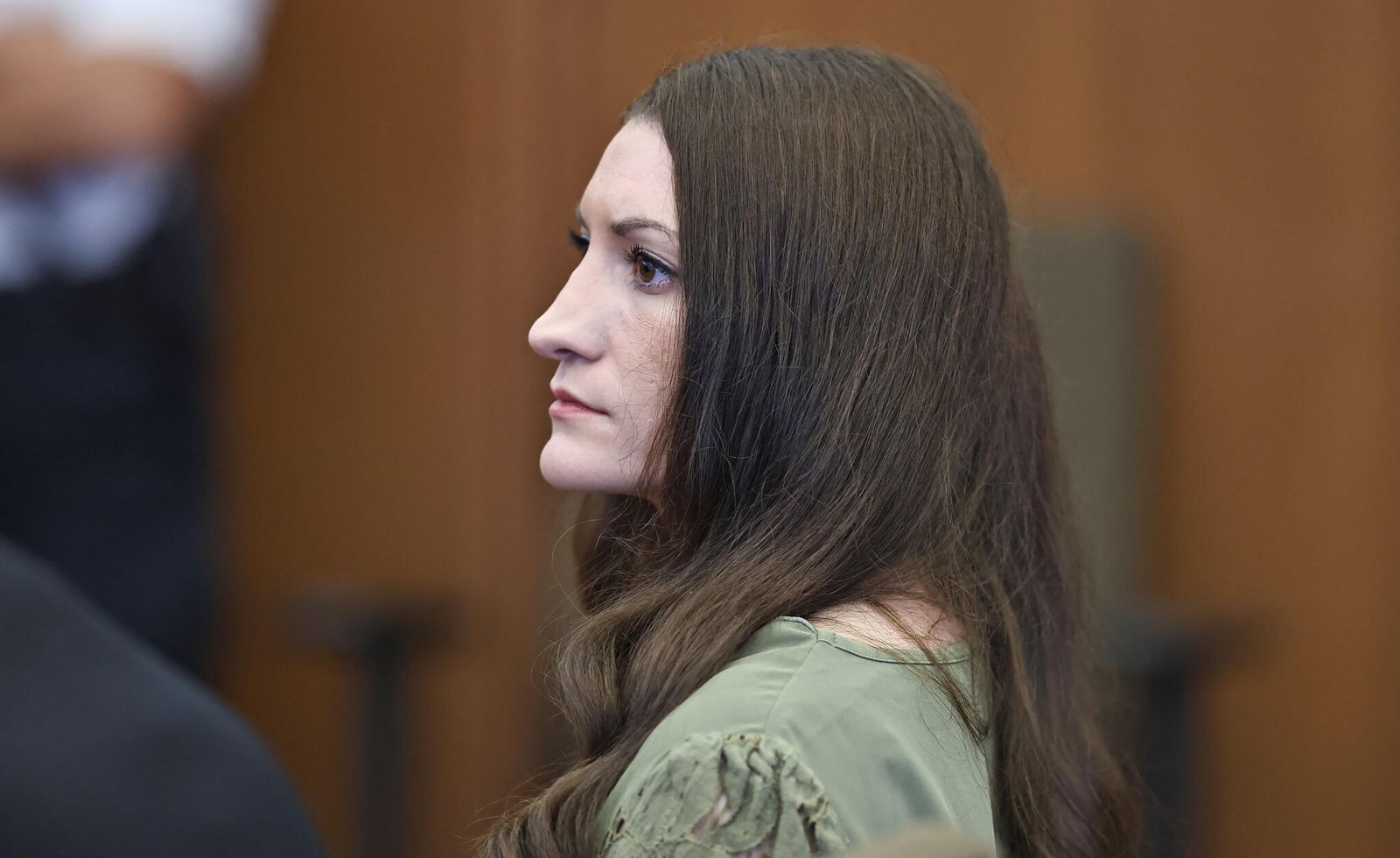
Patrick Clancy testified that Lindsay had expressed thoughts about harming the children and herself and, in his view, appeared to be improving shortly before the deaths. He also gave the jury his account of leaving for errands, returning home, finding Lindsay outside, locating the children in the basement, and calling 911. These are Patrick’s reported observations and recollections; the 911 audio and portions of the errand timeline were separately supported by records and other witnesses.
Patrick Clancy testified that Lindsay’s mental health began deteriorating around September 2022, describing increased stress and anxiety. He also testified about intrusive thoughts, psychiatric treatment and medication changes he said he observed or discussed with her. These details are Patrick’s recollections unless independently supported by medical records, Lindsay’s own writings or another witness.
Patrick testified that he believed Lindsay generally took prescribed medication as instructed, while acknowledging that he did not personally observe every dose. He said partially used prescriptions found in his car were medications that had been discontinued and that he had been told to discard. This is Patrick’s explanation of that evidence, not an independent finding about medication adherence.
Patrick testified that after another emergency-room visit around New Year’s 2023 he urged Lindsay to enter McLean Hospital, and that he believed she seemed to be improving after her stay. The existence and content of the treatment itself are documented separately in medical records and clinician testimony; Patrick’s view that she was improving is his observation.
· Plymouth Superior Court, Plymouth, Massachusetts
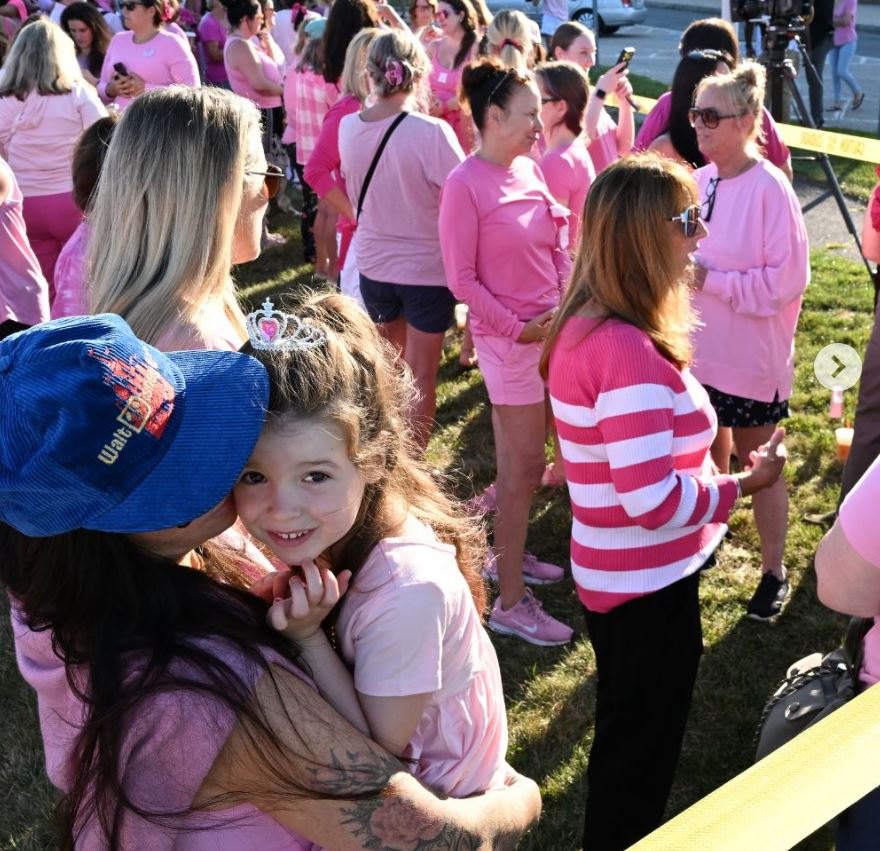
Hundreds of supporters, many dressed in pink, gathered outside Plymouth Superior Court in a demonstration supporting Lindsay Clancy and calling attention to postpartum and maternal mental-health care.
· Plymouth Superior Court
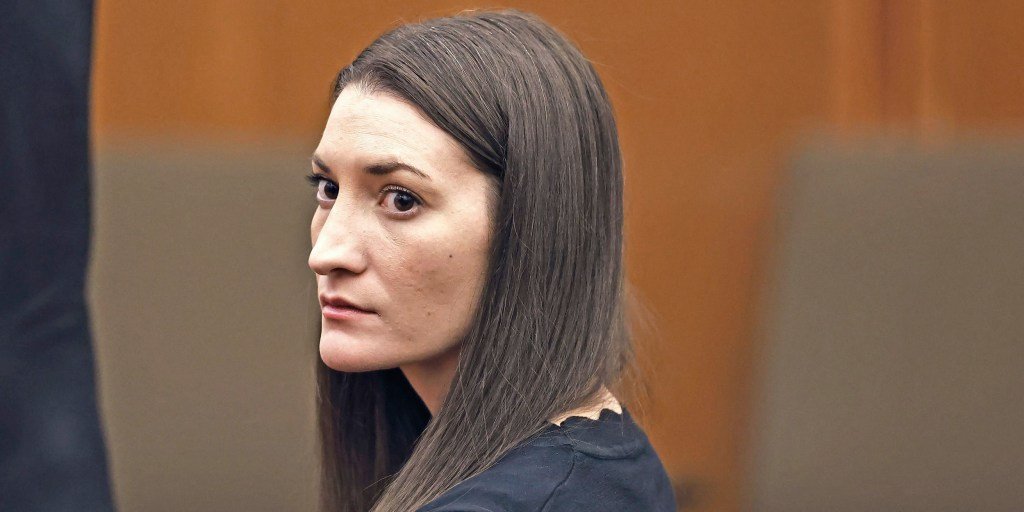
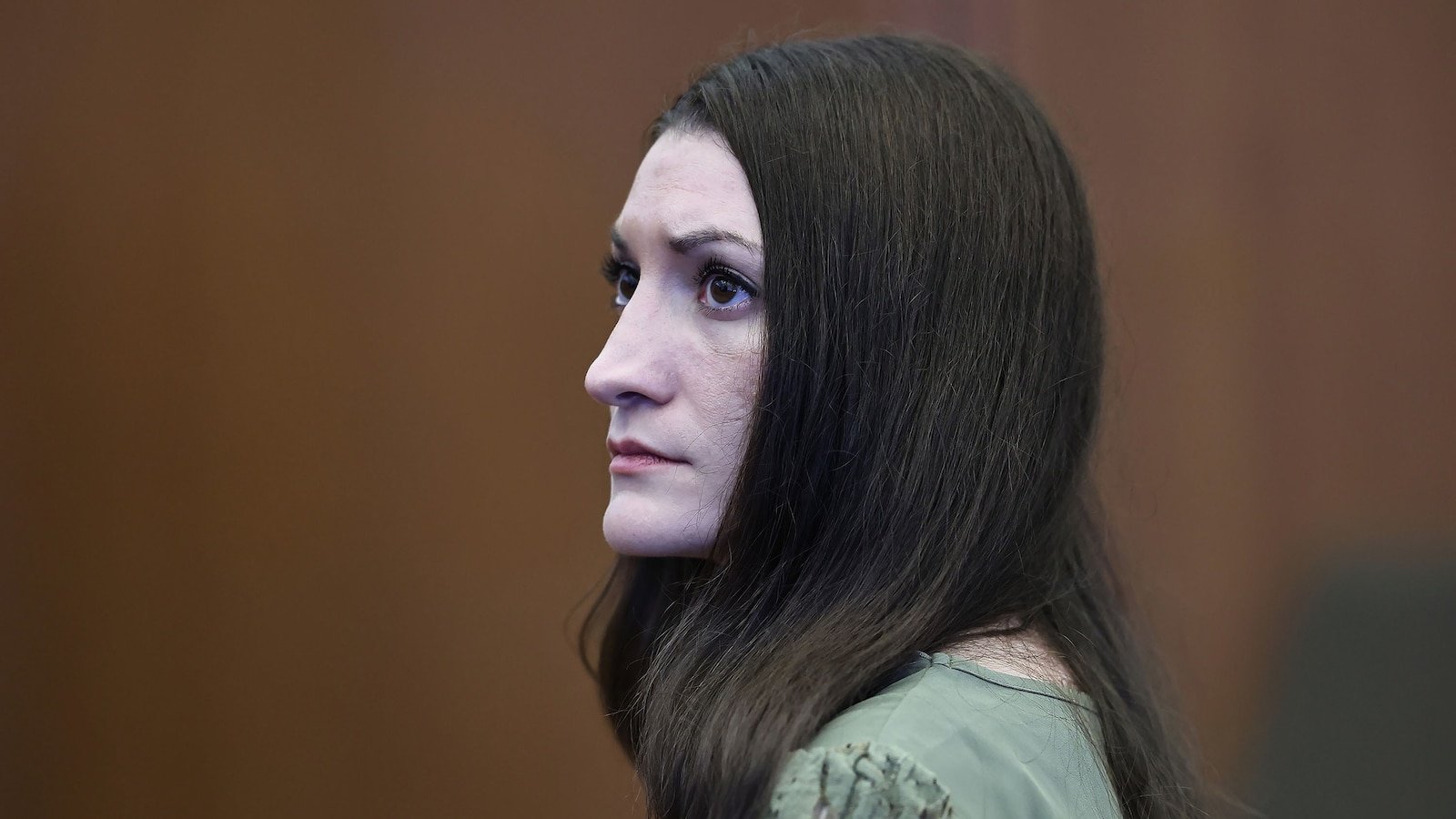
After five weeks of testimony and seven days of deliberation, the jury told Judge William Sullivan it was hopelessly deadlocked. The Supreme Judicial Court denied a last-minute defence request and the judge declared a mistrial.
Plymouth, Massachusetts
District Attorney Timothy Cruz said the case had always been about the three children and that his office would decide later whether to retry it.
New York, USA
Through attorney David Meier, Patrick Clancy thanked the court and jurors and said the loss of his children is something from which he will never recover, and that reliving the tragedy through another trial would be extraordinarily painful for him and his family.
Massachusetts, USA
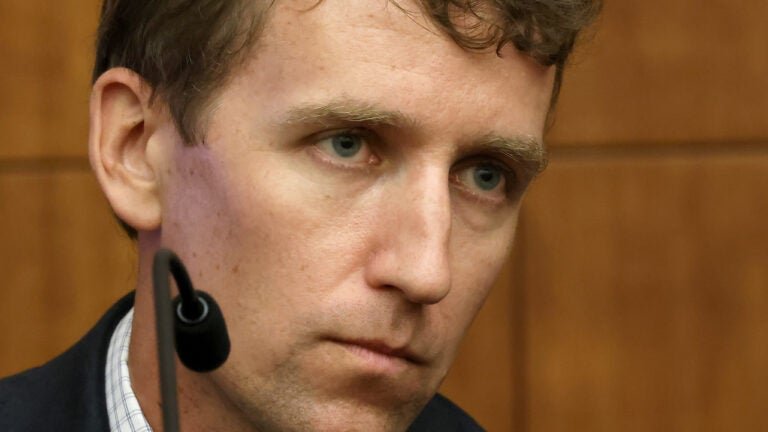
Patrick Clancy has a wrongful-death lawsuit pending against several mental-health providers who treated Lindsay Clancy in the weeks and months before the killings.
· Massachusetts
Foreperson Roni Carlson and jurors Kellie Farina and Paula Devlin described the deliberations publicly. Carlson said the lone holdout acknowledged reasonable doubt but still would not join the other eleven jurors in a verdict of not guilty by reason of lack of criminal responsibility.
· Massachusetts
Records reported after the mistrial raised questions about the holdout juror’s jury-selection disclosures: a 2021 domestic-assault-and-battery charge involving his then-wife had been dismissed; a police report recorded an allegation by his nephew that he saw the juror grab his wife by the throat and throw her into a dresser; and a later civil restraining order obtained by the nephew remained active during the trial. A pending housing-court eviction matter was also reported. The completed juror questionnaire is not public, so what the juror disclosed during selection is not established by the public record.
· CBS 60 Minutes preview / online
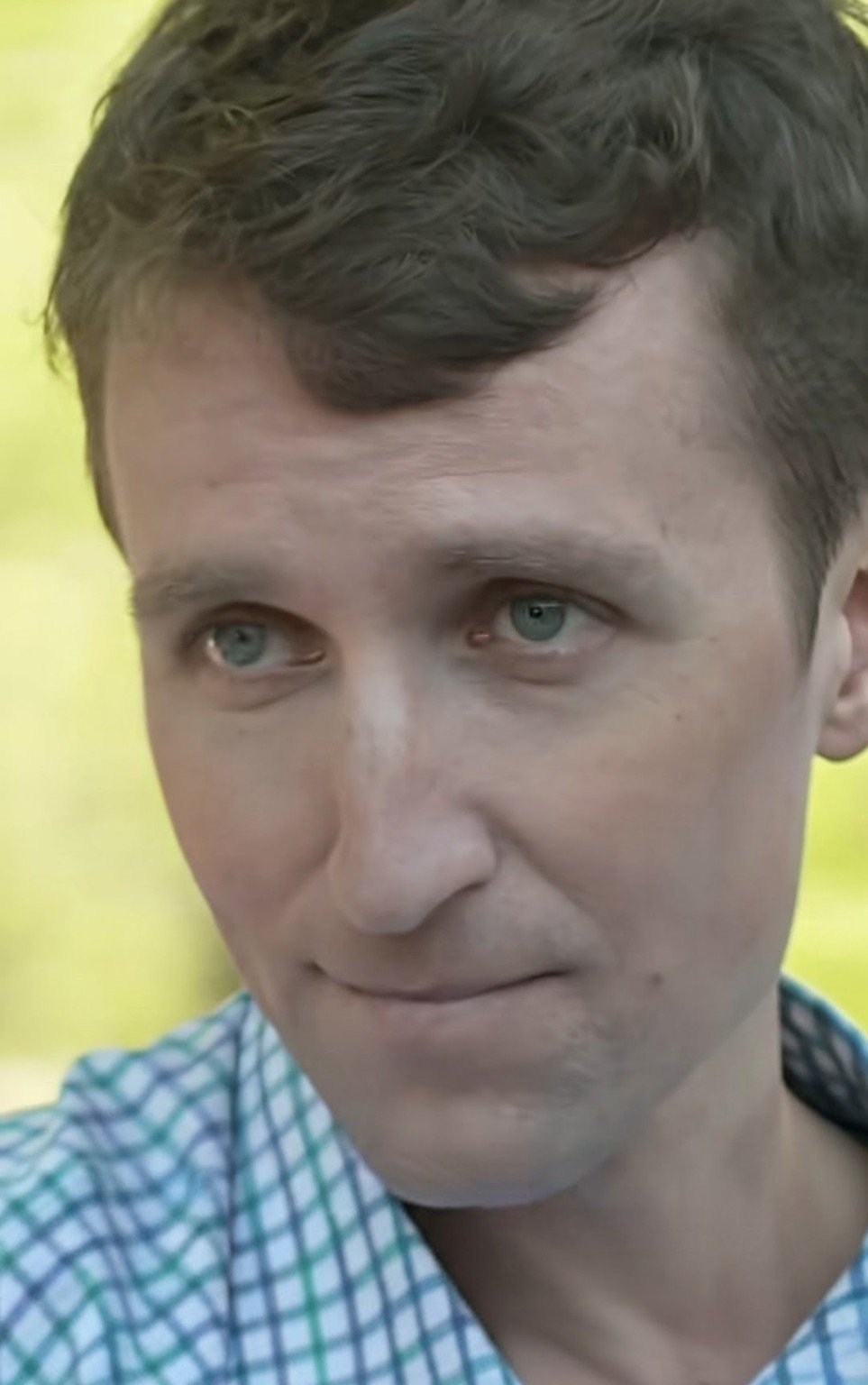
In a preview for his first televised interview after the mistrial, Patrick said he still talks to Cora, Dawson and Callan. When correspondent Ross Douthat asked what he says to them, Patrick answered, “Help me.” CBS said the full 60 Minutes interview, which also includes Dr. Rachel Danis, was scheduled to air on 20 September 2026.
Evidence
Context & developments
A public review attributed online to a Rachel Danis praised a local fishing charter and said it was the reviewer’s third year going out with the same captain. Reporting could not independently verify that the reviewer was the same Rachel Danis, and the review does not name Patrick Clancy. It therefore does not establish who “our” referred to or prove a relationship in 2022. The item was dated 12 August 2025, not 2024.
Photos
No photos or videos yet. Current and future images can be added through the contribution form below.
Responses
No response published yet.
Respond
Outcome
No outcome recorded yet.
Links 0 of 5
No links yet. Court filings, official statements and reporting are the most useful.